Daily Skincare Routine for Clear and Glowing Skin: Step-by-Step Guide
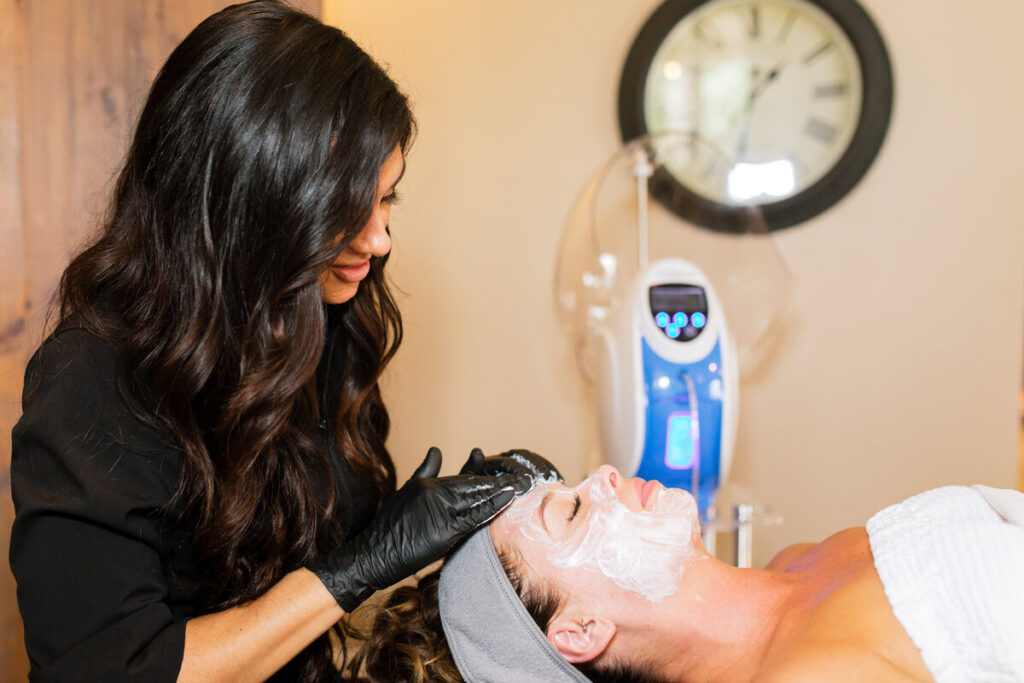
Healthy-looking skin does not usually come from using dozens of products. A consistent routine, the right products for your skin type, daily sun protection, and a little patience can make a noticeable difference over time. If you are wondering how to get clear and glowing skin, the best place to start is with a simple routine that supports your skin rather than overwhelming it.
For beginners, skincare can feel confusing. There are cleansers, toners, serums, moisturizers, exfoliants, masks, and treatments, and it is not always obvious what should be used first or how often. The good news is that an effective routine does not have to be complicated.
This guide explains a practical skincare routine for glowing skin, including what to do in the morning, what to do at night, and how to introduce additional treatments without irritating your skin.
Why a Consistent Skincare Routine Matters
Your skin is exposed to environmental stressors every day, including sunlight, pollution, dirt, sweat, and changes in temperature. At the same time, your skin naturally produces oil and sheds dead skin cells.
A consistent routine helps keep the skin clean, hydrated, and protected. It can also make it easier to identify which products work well for you and which ones may cause irritation.
Rather than changing products frequently, beginners should focus on creating a routine that is easy to follow. Consistency is often more useful than having a large collection of skincare products.
How to Get Clear and Glowing Skin: Start With the Basics
Before adding advanced treatments or multiple active ingredients, build your routine around a few basic steps.
1. Cleanse Your Skin
Cleansing removes excess oil, sweat, makeup, sunscreen, and everyday impurities from the skin.
Choose a cleanser according to your skin type. Someone with dry or sensitive skin may prefer a gentle, non-stripping cleanser, while someone with oily skin may need a formula that removes excess oil without leaving the skin feeling tight.
Avoid scrubbing aggressively. Cleanse gently with lukewarm water and pat your face dry with a clean towel.
2. Keep Your Skin Hydrated
Hydration is important for almost every skin type, including oily skin. When the skin becomes excessively dry, it may feel tight, rough, or uncomfortable.
A moisturizer helps support the skin barrier and reduce moisture loss. Look for a formula that suits your skin type and does not leave your skin excessively greasy or uncomfortable.
3. Protect Your Skin From the Sun
Daily sunscreen is one of the most important parts of a morning skincare routine. Regular sun exposure can contribute to premature skin aging, uneven pigmentation, and other visible changes in the skin.
Apply a broad-spectrum sunscreen during the day and follow the product’s instructions for application and reapplication, particularly when spending extended periods outdoors.
A Simple Morning Skincare Routine
Your morning routine should prepare your skin for the day. You do not need to use every skincare product you own.
A practical morning skincare routine can follow this order:
Step 1: Cleanser
Start by cleansing your face gently. If your skin is very dry or sensitive, you may need a particularly mild cleansing approach in the morning.
The goal is to refresh the skin without stripping away too much of its natural moisture.
Step 2: Hydrating or Targeted Serum
After cleansing, you can apply a serum that addresses a specific skincare concern.
Depending on your needs, you might look for ingredients designed to support hydration, improve the appearance of uneven skin tone, or provide antioxidant support.
If you are new to skincare, introduce one active product at a time. This makes it easier to understand how your skin responds.
Step 3: Moisturizer
Apply moisturizer after your serum. This helps maintain hydration and supports the skin barrier throughout the day.
If your skin is oily, choose a lightweight moisturizer. If your skin is dry, a richer formula may be more comfortable.
Step 4: Sunscreen
Finish your morning routine with sunscreen. This step should not be skipped simply because the weather is cloudy or you are not planning to spend the entire day outside.
Sunscreen is particularly important if you are using products or treatments that can increase your skin’s sensitivity to sunlight.
A Simple Night Skincare Routine
Your evening routine has a different purpose. Instead of preparing your skin for environmental exposure, it focuses on cleansing away the day and supporting the skin overnight.
A basic night skincare routine can include the following steps.
Step 1: Remove Makeup and Sunscreen
If you wear makeup or sunscreen, remove it thoroughly before cleansing. Depending on the products you use, you may need a makeup remover, cleansing balm, micellar water, or another suitable first cleansing step.
Avoid rubbing the skin aggressively, particularly around the eyes.
Step 2: Cleanse
Use your regular cleanser to remove remaining residue, oil, sweat, and impurities.
If your skin feels tight or uncomfortable after cleansing, your cleanser may be too harsh or you may be cleansing too frequently.
Step 3: Apply Treatment Products
Nighttime can be a convenient opportunity to use targeted skincare products.
For example, some people use ingredients aimed at managing acne, uneven texture, pigmentation, or visible signs of aging. However, active ingredients should be introduced gradually.
Using several strong ingredients at once can increase the risk of dryness and irritation, especially when you are new to skincare.
Step 4: Moisturize
Finish your routine with moisturizer. A comfortable, well-hydrated skin barrier can make your overall routine easier to tolerate.
If your skin becomes irritated after introducing a new active ingredient, simplify your routine and focus on gentle cleansing and moisturizing until your skin settles.
How Often Should You Exfoliate?
Exfoliation can help remove dead skin cells and improve the appearance of rough or uneven texture, but more is not necessarily better.
There are two broad types of exfoliation: physical exfoliation, which uses particles or tools, and chemical exfoliation, which uses ingredients that loosen dead skin cells.
Beginners should introduce exfoliation gradually rather than using it every day. If your skin becomes red, excessively dry, burning, or uncomfortable, reduce the frequency or stop the product.
People with sensitive or reactive skin may need a more cautious approach. Professional guidance can also help determine whether exfoliation is appropriate for your skin.
What About Acne and Uneven Skin Tone?
Clear-looking skin does not mean completely poreless or blemish-free skin. Occasional breakouts are normal, but persistent acne may require a more targeted approach.
If acne is one of your main concerns, avoid constantly switching between products. Some acne-focused ingredients can be helpful, but they can also cause dryness or irritation if introduced too quickly.
Uneven pigmentation is another common concern. Sun protection is especially important when trying to improve the appearance of uneven skin tone because continued sun exposure can make pigmentation more noticeable.
Professional options such as an Acne Treatment Santa Rosa or Melasma Skin Treatment may be worth discussing with a qualified skincare professional when at-home care is not providing the results you want.
Skincare for Sensitive Skin
If you have sensitive skin, your routine should focus on simplicity and skin-barrier support.
Avoid introducing multiple new products at the same time. Instead, add one product and give your skin enough time to respond before introducing another.
Look for products that are appropriate for your skin type and be cautious with strong exfoliants, fragrances, and other ingredients that may trigger irritation.
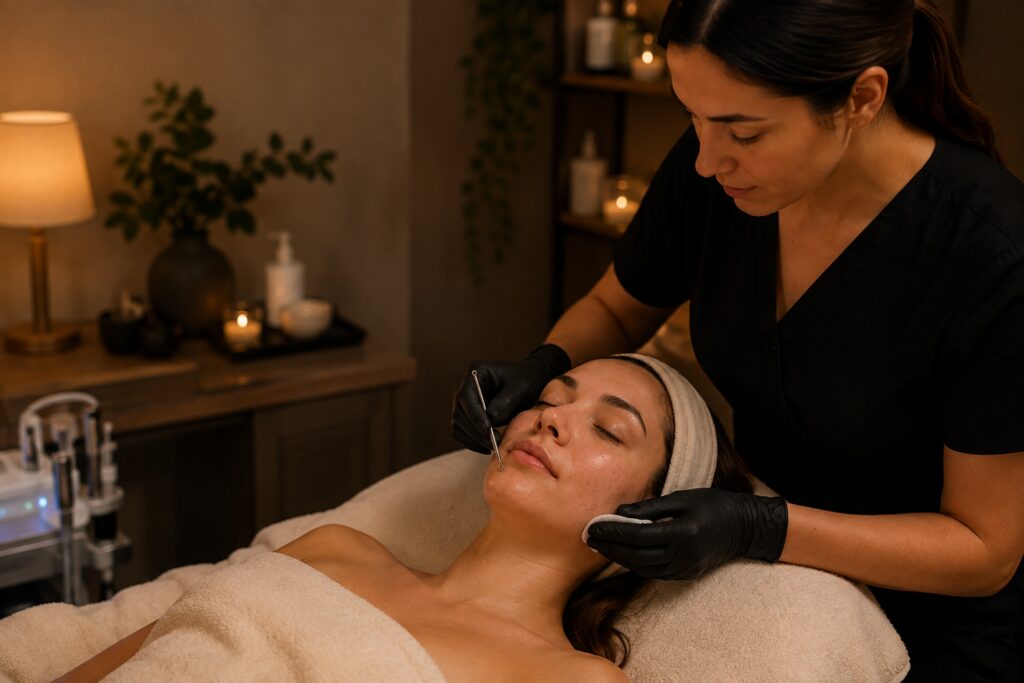
If you regularly experience redness, burning, dryness, or discomfort, consider professional guidance. A Skin Treatment for Sensitive Skin can be tailored more carefully than a generic routine.
An Online Skincare Consultation may also be useful if you want professional input before changing your products or routine.
When Should You Consider Professional Skin Treatments?
A daily routine is the foundation of good skincare, but it is not the only option. Professional treatments may be considered when you want to address specific concerns such as uneven texture, pigmentation, acne, or signs of skin aging.
Depending on your skin and goals, professional options can include:
- Facials in Santa Rosa for a professional approach to cleansing and skin care.
- Hydrafacial Santa Rosa services for a treatment-focused approach to cleansing, exfoliation, and hydration.
- Nano Pen Facial or Nano Infusion Facial treatments for specific skin concerns.
- Chemical Peel Santa Rosa treatments when professionally recommended.
- Skin Resurfacing Treatment for concerns involving skin texture and appearance.
- Skin Rejuvenation Treatment for people looking to address visible signs of aging or other skin concerns.
These treatments should not automatically replace your daily routine. Think of professional skincare as an additional part of your overall approach rather than a substitute for cleansing, moisturizing, and sun protection.
Common Skincare Mistakes Beginners Should Avoid
Even a well-planned routine can become less effective when products are used incorrectly.
Using Too Many Products
More products do not necessarily mean better results. Using several active ingredients at the same time can make irritation more likely and make it difficult to determine which product is responsible if your skin reacts.
Changing Your Routine Too Often
Skincare generally requires consistency. Give suitable products enough time to work before deciding that your entire routine needs to change.
Skipping Sunscreen
A routine focused on clear and glowing skin should include daily sun protection. Otherwise, ongoing sun exposure can work against your efforts to maintain an even-looking complexion.
Over-Exfoliating
If your skin feels raw, tight, unusually dry, or irritated, frequent exfoliation may be contributing to the problem. Healthy skin does not need to feel stripped after every skincare session.
Ignoring Your Skin Type
A product that works well for one person may not work equally well for someone else. Your routine should reflect whether your skin is dry, oily, combination, sensitive, acne-prone, or relatively balanced.
How Long Does It Take to See Results?
There is no universal timeline for skincare results. Hydration may improve the way skin feels relatively quickly, while concerns such as acne, uneven texture, and pigmentation may take considerably longer.
The most important factors are consistency, appropriate product selection, and avoiding unnecessary irritation.
If you frequently change your routine because you are not seeing immediate results, you may make it harder for your skin to adjust. Keep your routine simple and make changes thoughtfully.
A Beginner-Friendly Routine to Follow
If you are starting from scratch, you do not need a complicated 10-step routine.
In the morning, focus on cleansing, moisturizing, and sunscreen, with a suitable serum if needed. At night, cleanse your skin, apply an appropriate treatment product if required, and moisturize.
Once your basic routine feels comfortable and consistent, you can consider adding targeted products or professional treatments based on your specific concerns.
The key to learning how to get clear and glowing skin is understanding that healthy-looking skin is usually the result of several small habits working together rather than one miracle product.
Conclusion
Learning how to get clear and glowing skin starts with keeping your routine simple, consistent, and suited to your skin’s needs. A gentle cleanser, appropriate moisturizer, daily sunscreen, and carefully selected treatment products can create a strong foundation for healthier-looking skin.
For people looking for professional guidance and skin-focused services, Glow Skin Care offers skincare services and treatments that can complement an at-home routine. Taking a personalized approach can help you better understand what your skin needs and choose treatments that fit your specific goals.
Frequently Asked Questions
A simple routine usually includes gentle cleansing, moisturizing, and daily sunscreen. A suitable serum or treatment can be added based on your individual skin concerns.
Focus on consistent skincare, adequate hydration, sun protection, gentle cleansing, and avoiding unnecessary irritation. Your skin’s needs will also depend on your skin type and individual concerns.
Yes. Your morning routine should prioritize preparing and protecting the skin, particularly with sunscreen. Your night routine should focus on cleansing and applying suitable treatment and moisturizing products.
There is no single frequency that works for everyone. Beginners should introduce exfoliation gradually and adjust based on how their skin responds. Sensitive skin may require less frequent exfoliation.
Consider professional guidance if you have persistent acne, pigmentation, sensitivity, uneven texture, or other concerns that are not improving with a basic routine. A professional can help determine which treatments or products are appropriate for your skin.

