Lumara Red Light Mask Review: Benefits, Features & Results
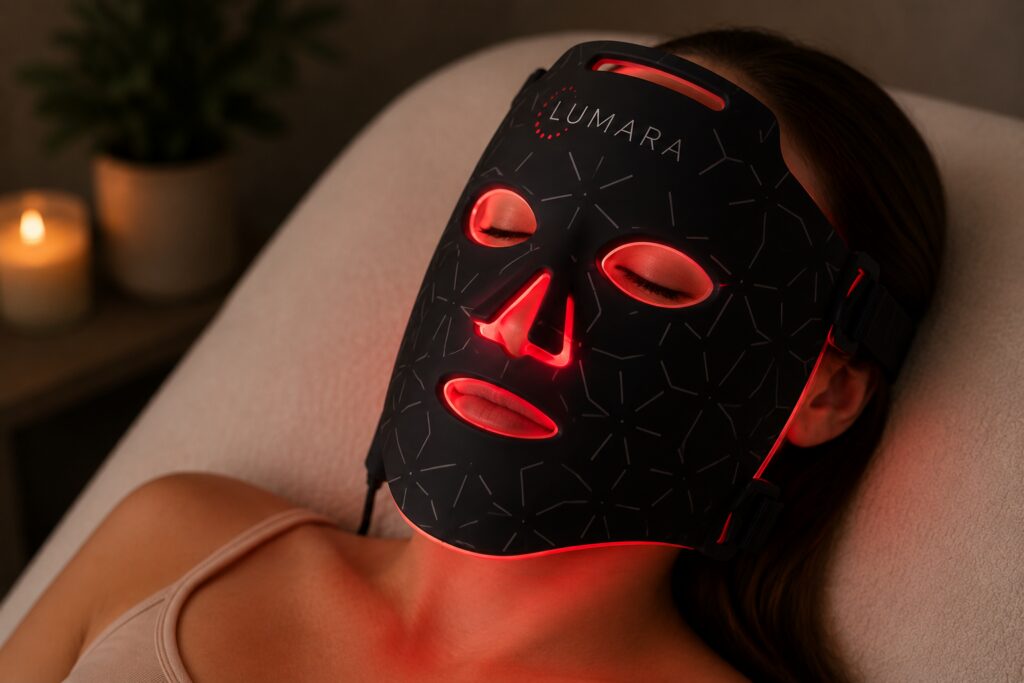
If you are considering an at-home LED device for smoother, firmer, and more radiant-looking skin, the Lumara Red Light Mask is worth looking at closely. The device has attracted attention because of its high LED count, targeted 660nm red light wavelength, short treatment time, and FDA 510(k) clearance. But features alone do not determine whether a red light mask is a good investment. The more important question is whether its design, expected results, and treatment approach fit your skincare goals.
The Lumara red light mask, also known as the Lumara VISO, is designed for facial red light therapy at home. According to the manufacturer, it uses 470 micro-LEDs, a 660nm red light wavelength, and a five-minute treatment routine. It is marketed as a device intended to support the appearance of brighter, smoother, and firmer skin.
For anyone comparing an LED device with professional skin rejuvenation treatment in Santa Rosa, understanding what a home mask can realistically do is important. Red light therapy can be a useful part of a consistent skincare routine, but it should not automatically be viewed as a replacement for customized professional treatments.
What Is the Lumara Red Light Mask?
The Lumara VISO is an at-home LED facial mask that uses red light rather than exfoliating acids, needles, or other resurfacing techniques. The manufacturer states that the mask contains 470 micro-LEDs positioned for full-face coverage and uses a 660nm wavelength. Its listed optical peak power is 30 mW/cm².
The idea behind red light therapy is relatively straightforward. Specific wavelengths of light are directed toward the skin, where they interact with cells and may support biological processes associated with skin appearance and repair. In skincare, red light is commonly discussed in relation to collagen support, skin texture, and the visible signs of aging.
One important point when reviewing any Lumara LED face mask is that the device is not an exfoliating or resurfacing treatment. It does not physically remove dead skin cells like microdermabrasion, and it does not deliver active ingredients into the skin like certain professional facials.
Instead, it is better understood as a light-based treatment that can complement a broader skincare routine.
Lumara Red Light Mask Features
The specifications are one of the main reasons consumers consider the Lumara mask.
470 Micro-LEDs
Lumara states that VISO contains 470 micro-LEDs designed to provide dense, even facial coverage. The company positions this LED density as a way to minimize areas of the face receiving less light.
Coverage matters with an LED mask because the light needs to reach the areas you want to treat. A device that leaves large gaps or has inconsistent positioning may provide a less uniform treatment experience.
660nm Red Light
The Lumara light therapy mask uses a 660nm red light wavelength. This is an important specification because wavelength determines the type of light being delivered and how it interacts with tissue.
Rather than simply choosing an LED mask because it has a large number of lights, consumers should look at the actual wavelength, treatment duration, coverage, and manufacturer-provided specifications.
Lumara specifically identifies 660nm as the wavelength used by the VISO mask.
Five-Minute Treatment Routine
One of the more practical features is the short treatment time. The current product page describes a five-minute routine, which can make the device easier to incorporate into an established skincare schedule.
This matters because consistency is often more realistic when a treatment does not require a significant amount of time.
A five-minute routine can fit into a morning or evening routine more easily than a treatment that requires setting aside 20 or 30 minutes.
FDA 510(k) Clearance
The manufacturer states that VISO is FDA 510(k) cleared as a Class II medical device.
However, FDA clearance should not be interpreted as a guarantee that every person will achieve a particular cosmetic result. It is also important to distinguish FDA clearance from claims that a device is universally effective for every skin concern.
When evaluating an LED device, consider the clearance alongside its specifications, intended use, instructions, and your individual skincare needs.
Lumara Mask Benefits: What Can You Expect?
The potential Lumara mask benefits are primarily relevant to people interested in improving the visible quality and appearance of their skin.
Supports a Smoother-Looking Complexion
Red light therapy is commonly used as part of skincare routines focused on improving the appearance of skin texture. With consistent use, some users may be interested in whether their complexion appears smoother and more even.
That does not mean the mask instantly changes skin texture. Like most skincare routines, visible changes can take time and may vary between individuals.
Helps Support Firmer-Looking Skin
Collagen is an important structural protein involved in skin firmness and elasticity. Red light treatments are often incorporated into anti-aging routines because of their relationship with collagen-focused skincare.
Lumara specifically positions its 660nm treatment around supporting firmer and smoother-looking skin.
However, an at-home LED mask should not be compared directly with invasive procedures or professional resurfacing treatments. The intensity, technology, treatment protocols, and goals can be very different.
May Improve the Appearance of Dull Skin
Another reason people explore a Lumara red light therapy mask is to support a brighter-looking complexion.
If dullness is caused partly by surface buildup, dehydration, environmental exposure, or other factors, LED therapy alone may not address every contributing factor. A complete skincare routine may involve cleansing, moisturizing, sun protection, exfoliation when appropriate, and professional treatments.
Convenient At-Home Skincare
Convenience is arguably one of the biggest practical advantages of an at-home mask.
You do not need to schedule an appointment every time you want to use the device. A short routine can potentially be incorporated into your regular skincare schedule, which makes the format appealing to people who prefer home-based treatments.
Lumara Mask Results: How Long Does It Take?
Searches for Lumara mask results often come down to one question: how quickly will I see a difference?
There is no universal timeline.
Some people may notice that their skin looks more refreshed or temporarily brighter after using a skincare treatment, while changes associated with longer-term skin concerns generally require consistency.
Lumara promotes a five-minute routine, but the duration of use should follow the manufacturer’s instructions rather than increasing treatment time simply because you want faster results.
It is also important to keep expectations realistic. An LED mask is not designed to erase deep wrinkles, significant pigmentation, acne scarring, or major changes in skin laxity overnight.
If your primary concern is significant texture irregularity, pigmentation, acne, or more advanced signs of aging, a professional assessment can help determine whether LED therapy is appropriate or whether another treatment would make more sense.
Is the Lumara LED Face Mask Worth It?
Whether the Lumara mask represents good value depends largely on how you plan to use it.
For someone who wants a convenient home device and is willing to use it consistently, its dense LED configuration, 660nm wavelength, and short treatment routine may be appealing. The manufacturer also lists features such as multiple timer settings, four energy levels, IP65 water resistance, and included eye cups and a travel bag on its product information.
On the other hand, consumers should compare the device with other LED masks before purchasing. Price should not be the only comparison point.
Consider:
- Wavelength and light output
- Face coverage
- Treatment time
- Device comfort
- Safety information
- Warranty and return terms
- Whether the device addresses your particular skincare goals
A more expensive mask is not automatically the right mask, and a less expensive mask is not necessarily a poor choice.
Lumara Red Light Mask vs. Professional Skin Treatments
An important distinction is the difference between an at-home LED routine and professional skincare.
The Lumara light therapy mask is primarily a home maintenance tool. Professional treatments can be much more customized because an esthetician can evaluate your skin and select a treatment based on its current condition.
For example, Glow Skin Care in Santa Rosa offers customized facial treatments that address different concerns. Its facial menu includes Nano Pen Facial, HydraDerm Facial, microdermabrasion, oxygen facial, signature facial, acne facial, and other options.
The clinic also incorporates LED light therapy into its Ultimate Anti-Aging Facial alongside Hydradermabrasion or Microdermabrasion and microcurrent.
That distinction is useful for anyone deciding between buying a home device and booking a professional treatment.
When an At-Home Mask May Make Sense
An at-home LED mask may be worth considering if you:
- Prefer a simple skincare routine at home
- Want to add light therapy to an existing routine
- Are interested in supporting the appearance of firmness and texture
- Can use the device consistently
- Prefer a non-invasive treatment format
When Professional Treatment May Be More Appropriate
Professional care may be more suitable if your concerns involve persistent acne, significant pigmentation, pronounced texture problems, or other issues that require a more individualized approach.
Glow Skin Care explains that its facials are customized according to individual skin needs rather than following exactly the same process for everyone.
For example, its Nano Pen Facial is designed around concerns such as fine lines, acne scars, pore visibility, and overall tone and texture, while its HydraDerm Facial focuses on exfoliation, hydration, and product penetration.
How to Get the Most From a Lumara Red Light Therapy Mask
The quality of an LED mask is only one part of the equation. How you use it also matters.
Start by following the manufacturer’s instructions rather than creating your own treatment schedule. Clean skin can also make it easier to maintain a consistent routine, while skincare products should be selected according to your skin type and goals.
Most importantly, consistency is more useful than trying to overuse the device.
If you have a skin condition, take medications that increase light sensitivity, have recently undergone a procedure, or are uncertain whether LED therapy is appropriate for you, speak with a qualified healthcare professional before using the device.
Is Lumara Red Light Therapy Suitable for Every Skin Concern?
No single skincare device is suitable for every concern.
The Lumara red light mask is primarily positioned around red light therapy and visible skin improvements such as smoother, firmer, and brighter-looking skin. It should not be viewed as a universal treatment for every type of pigmentation, acne, scarring, or skin condition.
For example, someone primarily concerned with acne may need a different strategy from someone concerned with dehydration or fine lines. Professional facials can also combine multiple techniques based on the condition of the skin.
Glow Skin Care’s facial services illustrate this difference, with separate approaches for acne-prone skin, hydration, resurfacing, and anti-aging concerns.
Conclusion
The Lumara Red Light Mask can be a convenient option for people who want to add red light therapy to their regular at-home skincare routine. Its 660nm red light, 470 micro-LEDs, and short treatment time make it an interesting choice for those focused on maintaining smoother, firmer, and more radiant-looking skin. However, realistic expectations are important, as results can vary and an LED mask is not designed to replace every professional skincare treatment.
For individuals in Santa Rosa who want a more personalized approach, Glow Skin Care offers professional skincare services and customized facial treatments based on individual skin concerns. Combining an appropriate at-home routine with professional guidance can help create a more comprehensive approach to long-term skin care.
Frequently Asked Questions About the Lumara Red Light Mask
The Lumara Red Light Mask, also called Lumara VISO, is an at-home LED facial device that uses 470 micro-LEDs and a 660nm red light wavelength. The manufacturer states that it is FDA 510(k) cleared.
The main potential benefits are focused on supporting the appearance of smoother, firmer, and brighter-looking skin. Results can vary depending on individual skin, consistency, and other skincare practices.
The current Lumara product page describes a five-minute routine. Users should follow the manufacturer’s instructions rather than extending treatment time in an attempt to accelerate results.
Not necessarily. An LED mask provides a specific type of light-based treatment, while professional facials can combine exfoliation, hydration, extractions, infusion, LED therapy, and other techniques depending on individual skin needs.
It may be worth considering for someone who values an at-home red light therapy routine and can use it consistently. Before purchasing, compare its wavelength, coverage, output, comfort, warranty, price, and intended use with your specific skincare goals.

